Standard and certification
Can a Management Standard Be Useful Without Certification?
A clear guide to distinguishing a management standard, certification and a pilot, and to assessing a method without overstating the evidence.

The word “standard” can sound like an official audit, a badge or a certificate. Yet a management standard may first describe shared requirements or practices an organisation can use to structure its work. Certification is different: it is a formal conformity decision under a defined scheme, with rules, an assessment method and an authorised body. Confusing these ideas can create false expectations for leaders, customers and partners.
A framework can be useful without certification when it clarifies responsibility, organises routines and makes learning more visible. Its value should still be examined. People need to assess the content, fit with context, evidence requested, resources consumed and outcomes observed by users. That assessment requires transparency about what is established and what remains to be tested.
What a standard can contribute
A standard can offer shared language for discussing expected practices. It may set common requirements for governance, execution, growth or resilience while allowing organisations to choose methods proportionate to their size and sector. It can help reveal gaps: decisions without owners, commitments without review, risks that are not monitored or growth without cash visibility.
Its value depends on whether requirements translate into useful work. A vague rule may become paperwork without changing behaviour. A burdensome requirement can exhaust a small organisation. An unclear expectation may be interpreted differently by each reviewer. The AMOS Standard describes its purpose and scope; organisations should read the available edition, check access conditions and raise questions before applying it.
What certification means—and what it does not
Certification is not an absolute promise of future performance. It generally means an assessment concluded that defined requirements were met within a stated scope and at a particular time. It does not guarantee that no incident will occur, every customer will be satisfied or financial performance will improve. Buyers should understand what was assessed, by which method, by whom and with what degree of independence.
The absence of certification does not mean a framework cannot support learning. An organisation can test tools, measure decision clarity, track action closure or document changes in practice without claiming external recognition. The core requirement is accurate representation: describe actual use and limitations without implying that formal validation exists.
Why a pilot matters
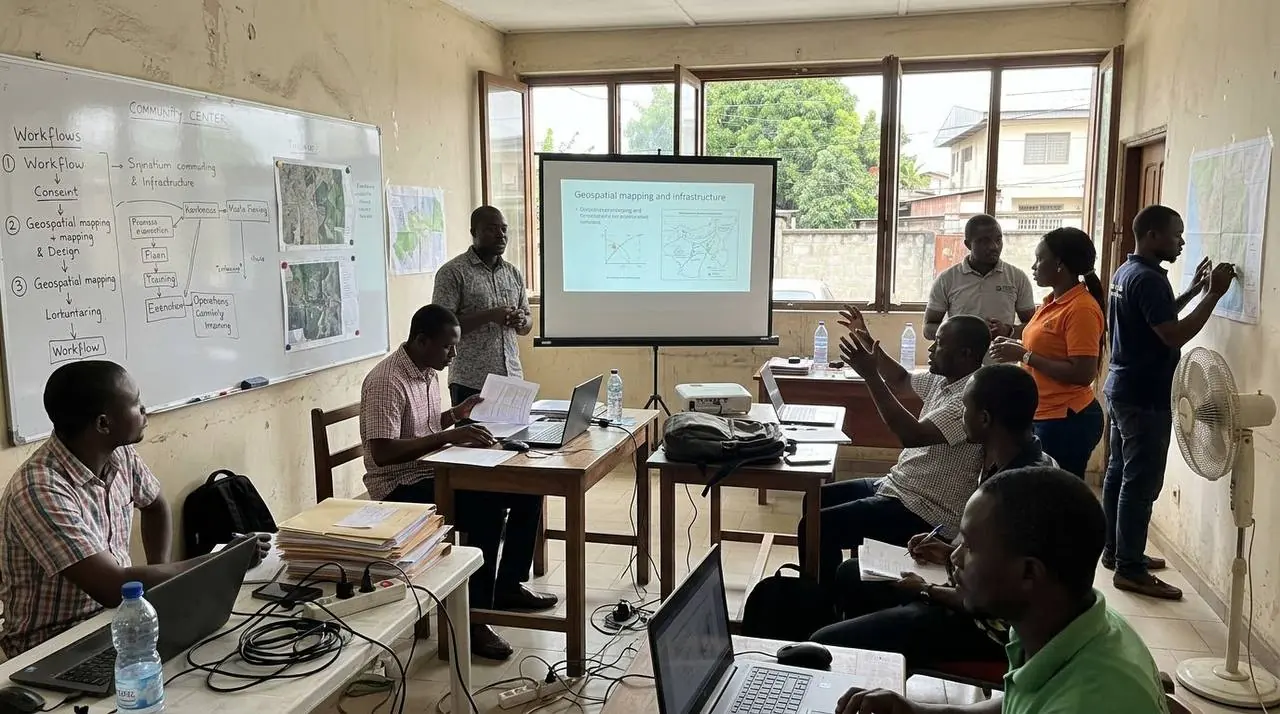
A pilot can test whether requirements are understandable, feasible and useful across different environments. It may show that a tool suits a small business but needs adaptation for a nonprofit, bank or public service. It can reveal measures that are too costly to collect, responsibilities that conflict with local governance, or practices that fade after initial support ends.
A sound pilot defines the problem, participating organisations, duration, data, observation criteria and publication limits before it starts. It plans for consent, confidentiality and mixed or negative findings. It also establishes a baseline so that improvements that would have happened anyway are not automatically attributed to the framework. The AMOS Evidence, Assessment and Decision Protocol is intended to support careful interpretation of evidence and the decisions that follow.
Evaluate without overstating results
Teams can document process measures and relevant outcomes: decisions with an owner, actions closed on time, frequency of cash updates, delays, recurring incidents or user experience. Separate observed measures from statements, and correlation from causation. If an organisation improves during a pilot, other factors may have contributed: a new leader, an exceptional contract, extra funding, seasonality or a market shift.
Good learning depends on the questions. Do teams understand responsibilities better? Are decisions followed with fewer reminders? Do people continue using the tools after support ends? Which group finds the approach difficult? What adaptations were needed? Is the evidence strong enough to continue, change, pause or expand the test? The AMOS Doctrinal Library gathers doctrine and interpretation resources; check its page for public content and access terms.
How an organisation can begin
Before joining or adopting a method, ask: which concrete problem are we trying to solve? What information will be collected? Who can see it? How much effort is expected from our team? What would a useful result look like? What will we do if the practice does not work? These questions protect an organisation from vague promises and support a professional conversation with the framework’s designers.
Then select a limited scope, assign responsibility, record a baseline and schedule short reviews. Document adaptations and listen to the people doing the work. A transparent experiment is more useful than a broad claim that “the model transforms organisations.”
Sector editions need the same care. AMOS is preparing versions for higher education, healthcare, manufacturing, government, insurance, banking, agribusiness, logistics and supply chains, NGOs and SMEs. These editions are intended to reflect differences in operating risk and stakeholder expectations. The planned NGO edition will be offered free to NGOs and their stakeholders, with release timing and access terms confirmed at launch. A sector label alone does not prove that a framework is suitable for that sector; organisations should examine the requirements, ask how they were tested and decide whether the proposed practices fit their context. This is especially important where public trust, safety, financial integrity or vulnerable communities are involved.
Sector application must be built with users
Continuity needs differ across a bank, hospital, university, factory, public agency, NGO or logistics SME. Dependencies, obligations, acceptable delays and sensitive information are not the same. AMOS’s planned sector editions for these environments need to be tested with users and adapted to sector risks while keeping shared principles of clarity, follow-through and learning. The NGO edition is planned as a free offer for NGOs and their stakeholders; launch timing and terms will be confirmed when it is introduced.
AMOS’s current status
AMOS is a private management framework in a pilot phase. Its usefulness must be measured across different contexts, and the durability of practices needs to be checked over time. AMOS does not currently issue certifications. This statement should remain consistent across pages, presentations, proposals and articles describing the framework.
Organisations can explore the framework’s dimensions on the AMOS Framework page and read the Manifesto for its broader intent. A standard earns trust when it states its requirements, evidence, limitations and development status clearly. Credibility comes from consistency between what is claimed, what is assessed and what can actually be demonstrated.